

Insights
Beginning Again at the Beginning
How many individuals know that when a mom has high blood sugar during pregnancy their child can be at greater risk for diabetes, obesity and other metabolic disorders in their lifetimes?
It is estimated that 1 in 4 people do not know they have diabetes and while another 115 million adults have prediabetes, 83% of them are unaware of the diagnosis.
If someone knows they have diabetes or prediabetes, they can monitor it and work to get their levels in the normal range before pregnancy. But what if they don’t know?
Absolute Risk of Congenital Anomalies
A critical time is at conception, when the blood glucose percentage, A1c%, dictates risk of congenital anomalies.
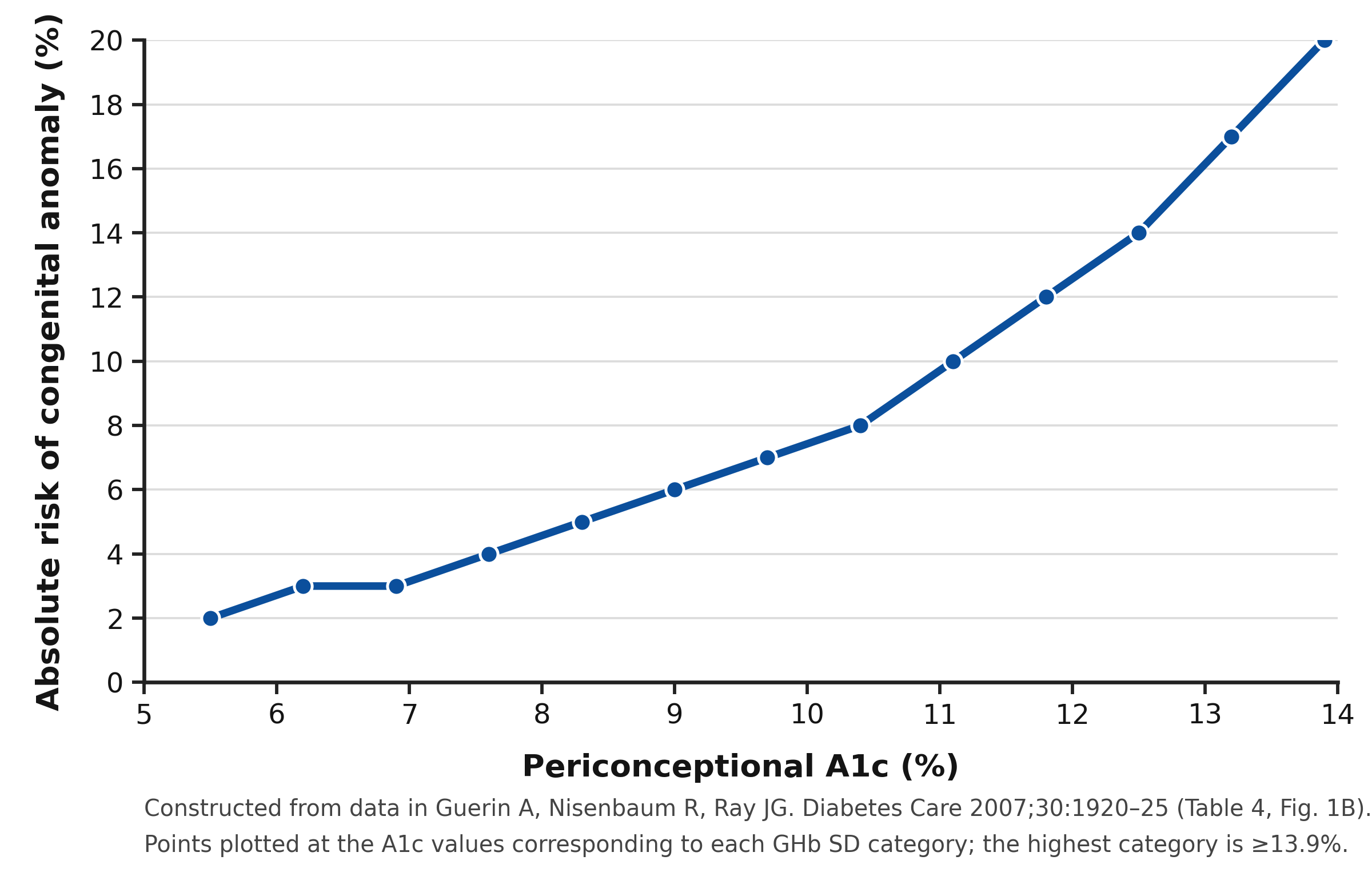
Starting out pregnancy at a normal A1c% 5.6% or below keeps the risk of congenital anomalies as low as possible.
How do you know what you don’t know?
-
Symptoms
Symptoms of diabetes that should be investigated include unexplained weight loss, increased thirst, frequent urination, frequent yeast and urinary tract infections, increased hunger, fatigue and low energy, infections that are more frequent infections and sores that take longer to heal, darkening of the skin - especially on the neck and armpits. Advanced diabetes can cause vision changes, sensory changes, level of consciousness changes and worse.
-
Without Symptoms
Some people have diabetes or prediabetes and do not notice any symptoms and it is discovered on testing for another condition or through routine screening in pregnancy. Many symptoms are not recognized or do not present until the condition has advanced significantly.
-
Risk Factors
If you are a person of larger size, possibly with a diagnosis of overweight or obesity, you could be at risk. If you additionally have a family history of diabetes, had gestational diabetes, if your mother had gestational diabetes or diabetes when she was pregnant with you, if you have experienced increased stress from adversity or racism, have a history of cardiovascular disease or high cholesterol, have PMOS/PCOS, gum disease or low physical activity, you are at greater risk.
-
Testing
You can be screened with simple blood tests that look at your blood sugar in the moment and/or over time. Over time it is called A1c and it is the percentage of sugar adhered to the special proteins in your blood called hemoglobin. Testing can also be advanced with special glucose drinks and serial measurements of your blood sugar at certain times before and after.
-
A Test is Just a Test
Testing can be tricky, just like a multiple choice test that you guess on, you could pass and not really have known the answer. Similarly, you could have known the answer but the question was worded poorly and you could fail. All testing has specific parameters and even when they are strictly adhered to (fasting for 8 hours, sitting during test, etc.) if you are ill, stressed, fighting an infection or had poor sleep, even the advanced tests can not truly capture your status.
-
Early In Pregnancy
If you are not able to be tested prior to pregnancy to know your status, you should be screened early in pregnancy if you have any of the factors listed by the American College of Obstetricians and Gynecologists to determine if you have preexisting diabetes. If you do not want a special glucose test you can usually volunteer to check your blood sugars at home with a glucose monitor by poking your fingers or wearing one continuously to be able to see what your status is. If all is normal and your baby is growing normal, then it will be recommended you be retested at 24 to 28 weeks of pregnancy.
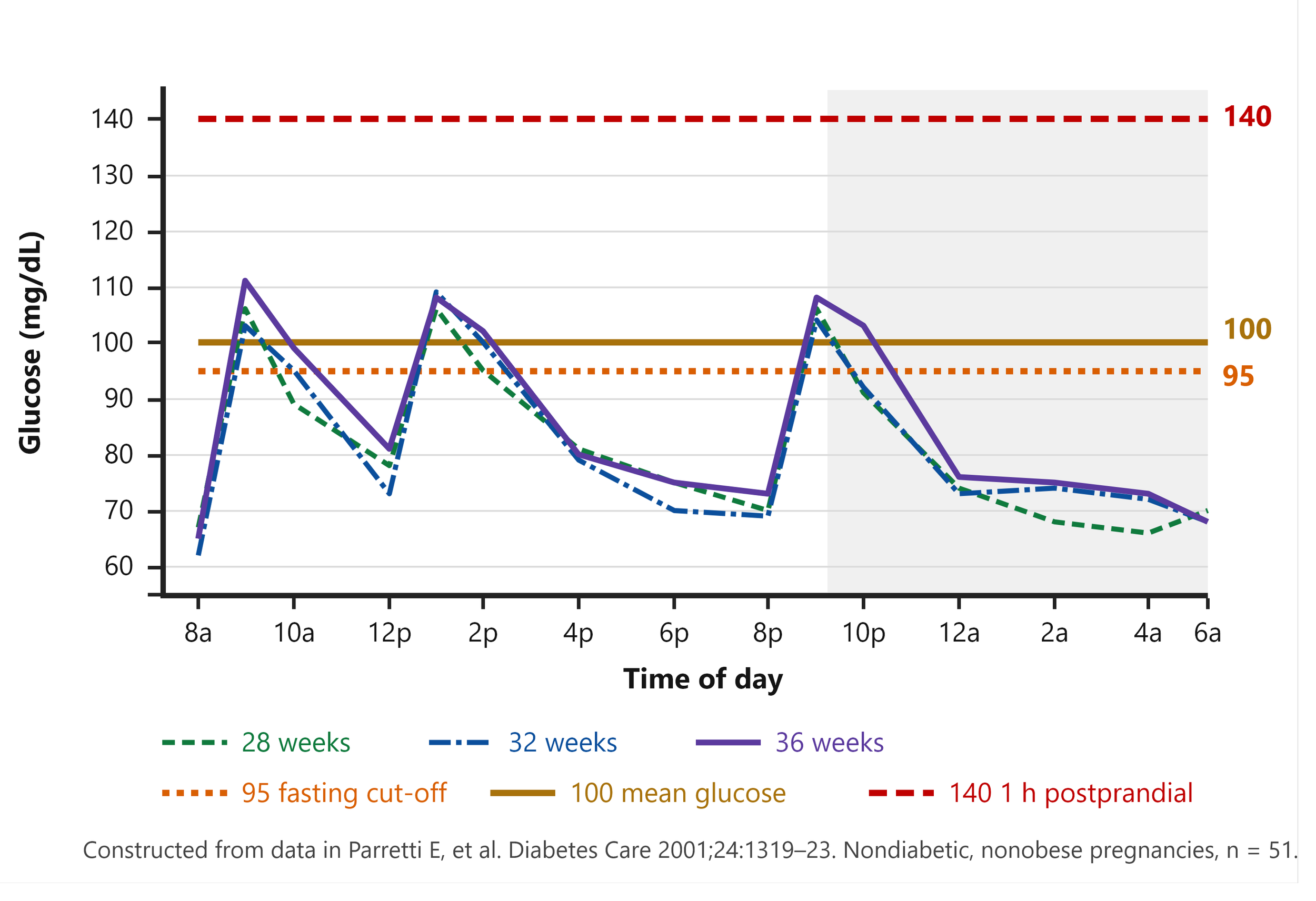
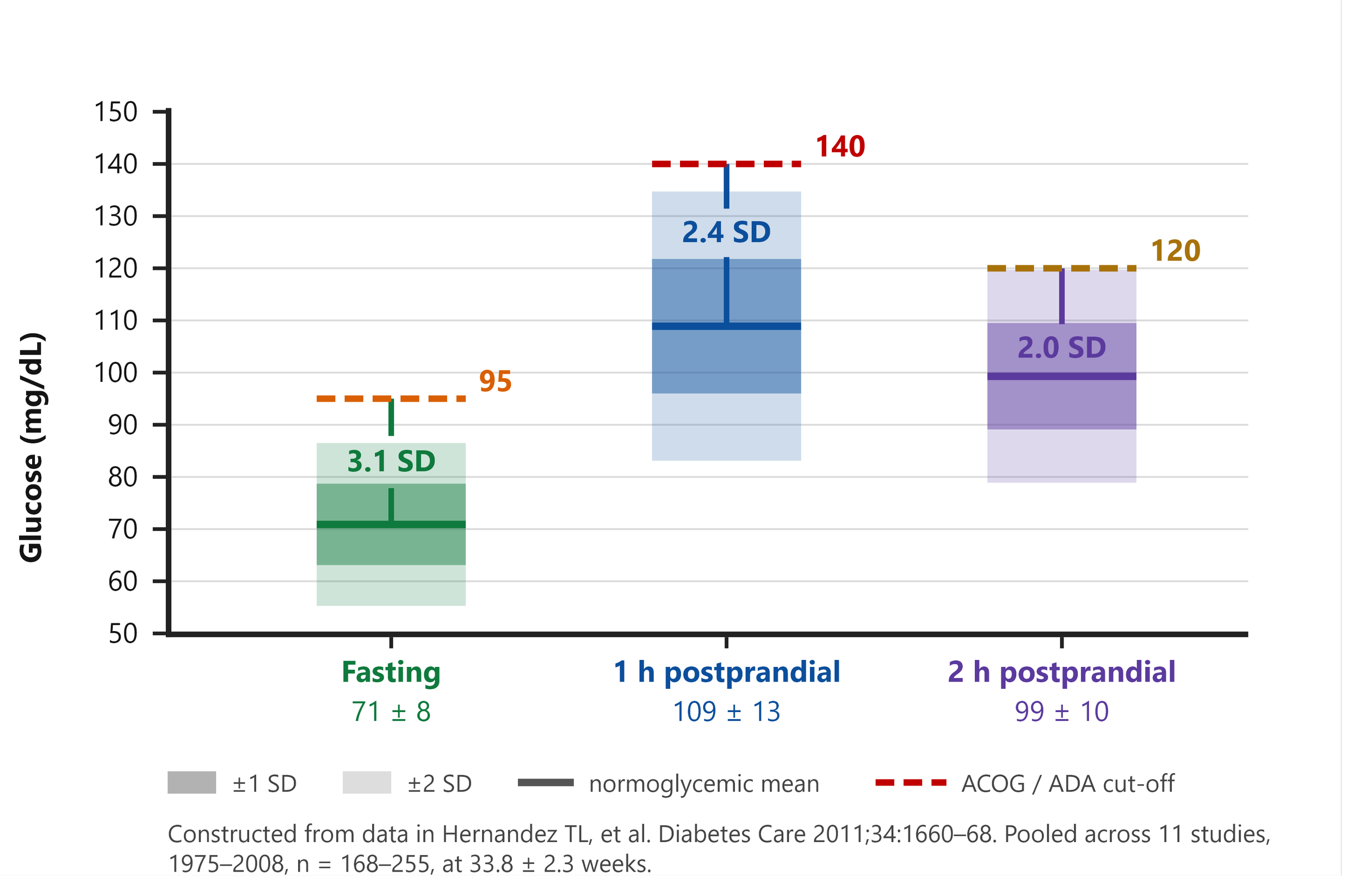
What is normal in pregnancy?
These graphs and charts demonstrate normal blood sugar in the 3rd trimester
How is blood sugar impacted in pregnancy?
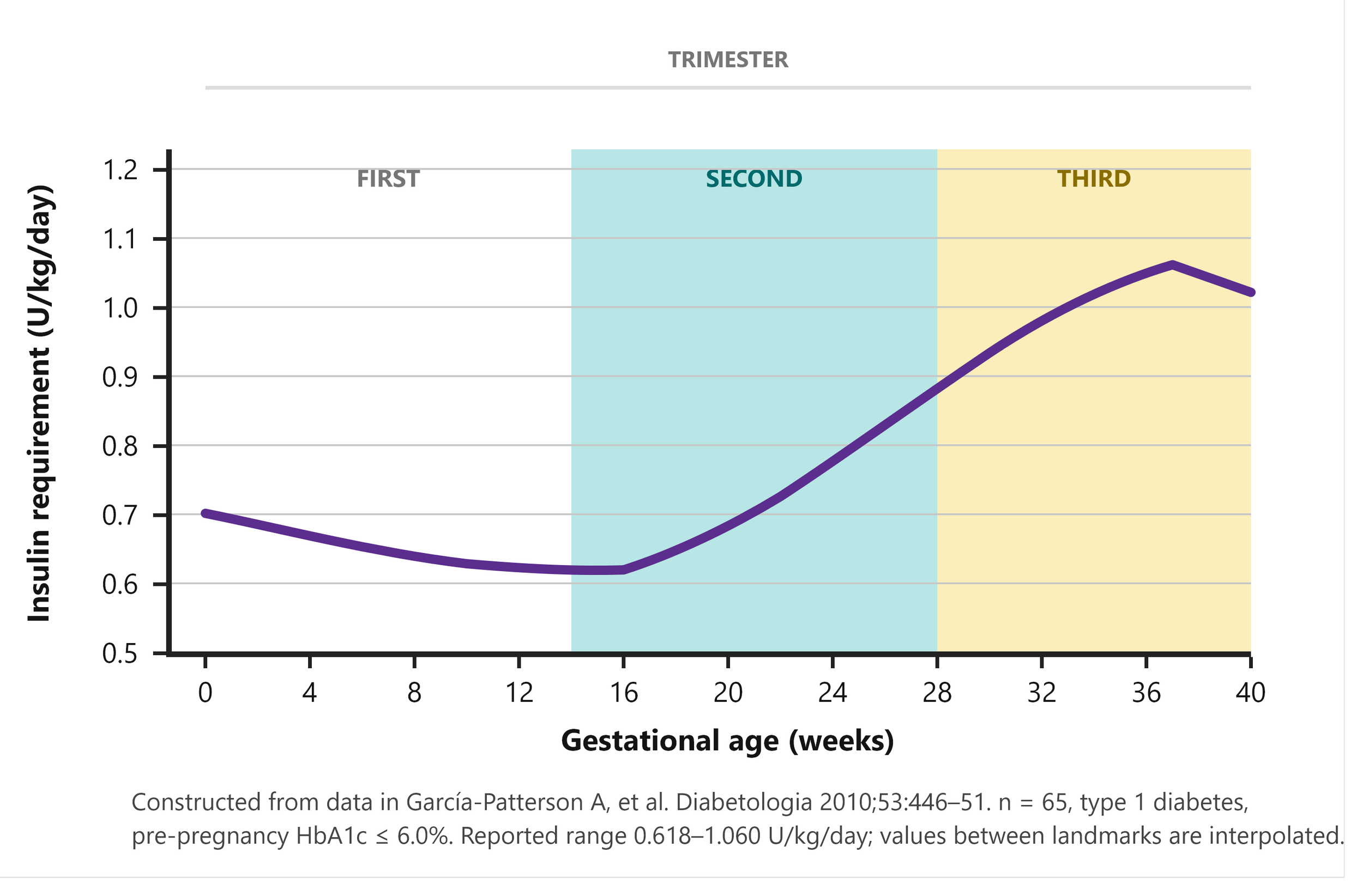
Insulin needs decrease in the first trimester but steadily increase as pregnancy advances. This is caused mostly by growing placenta that makes hormones that interfere with insulin’s ability to get blood sugar and other fuels to the right tissues so that it will be available for baby. This is necessary at normal blood glucose levels but when there is already diabetes or prediabetes, too much sugar can be routed to baby.